Why Metal Foundry Processes Are Expanding in Today’s Market
The Crucial Guide to Understanding Steel Casting Strategies and Applications
Metal casting strategies form the backbone of contemporary production. These approaches transform liquified metal right into accurate forms, catering to numerous industries. Each method, from sand casting to financial investment spreading, provides unique advantages and applications. Comprehending these techniques is crucial for optimizing manufacturing processes. As industries develop, the need for reliable and cutting-edge casting remedies grows. What lies ahead for these strategies despite progressing modern technology and altering market demands?
Overview of Steel Casting Methods
Metal spreading strategies include a selection of approaches used to shape liquified steel right into desired forms. These methods are important in various markets, consisting of vehicle, aerospace, and art, making it possible for the manufacturing of elements with complicated geometries and elaborate information. The main procedures include gravity spreading, where steel flows into a mold and mildew under its weight, and stress spreading, where molten metal is required into a mold cavity. Financial investment casting, understood for its accuracy, makes use of a wax pattern that is thawed away, developing a very precise mold. Die casting uses a high-pressure system to create parts swiftly, while shed foam casting integrates the efficiency of foam patterns with precision. Each method has its advantages, tailored to details applications based on elements like product buildings, production quantity, and desired finish. Recognizing these techniques allows suppliers to choose one of the most ideal method for their unique demands, enhancing both efficiency and top quality in steel production.
Sand Casting: One Of The Most Common Approach
Many casting techniques exist, sand casting stays the most prevalent strategy in the market due to its versatility and cost-effectiveness. This method utilizes sand as a key mold and mildew product, enabling the production of large components and complex forms. The process begins with the development of a mold, usually made from a blend of sand and a binding agent. As soon as the mold is prepared, molten metal is poured into the tooth cavity, loading every information of the style.
After the steel strengthens and cools down, the mold and mildew is escaped to reveal the last spreading. Sand casting is particularly favored for its capability to suit a vast array of steels, including light weight aluminum, iron, and steel. Additionally, it is suitable for both small-scale manufacturing and huge quantities, making it a suitable choice for sectors such as automotive, aerospace, and building. Aluminum Casting. Its simpleness and effectiveness remain to drive its appeal in metalworking
Financial Investment Spreading: Accuracy and Information
Financial investment spreading is an extremely precise steel spreading strategy that supplies outstanding detail in the last item. This procedure involves developing a wax pattern that is coated with a ceramic material, enabling detailed layouts and smooth surface coatings. Its advantages consist of the capacity to create intricate forms and a broad array of applications throughout different industries.
Process Introduction
When precision and detailed information are vital, investment casting arises as a preferred approach in metalworking. Aluminum Foundry. This procedure starts with developing a wax or polymer pattern, which is then covered with a ceramic shell. As soon as the shell solidifies, the pattern is thawed out, leaving a mold. Molten metal is put right into this mold to create the desired form. After cooling down, the ceramic shell is removed, disclosing the actors component. Financial investment spreading permits intricate geometries and tight resistances, making it ideal for various materials, including light weight aluminum, titanium, and steel. This method is specifically valued in markets that need detailed designs and high-grade finishes, making sure that each cast component fulfills rigorous specifications with marginal post-processing
Applications and benefits
The benefits of financial investment spreading extend past its capacity to create intricate geometries and limited resistances. This technique enables the manufacturing of in-depth parts with smooth surface finishes, considerably reducing the need for comprehensive machining. Financial investment spreading is specifically beneficial for manufacturing intricate components in fields such as aerospace, auto, and medical tools, where precision is critical. In addition, it suits a vast array of products, consisting of various alloys, which can enhance efficiency in specific applications. The process additionally generates high manufacturing prices, making it economically practical for both tiny and big batches. Eventually, financial investment spreading attracts attention Aluminum Foundry for its efficiency, capability, and convenience to generate high-grade elements that satisfy strict sector standards.
Pass Away Casting: High-Volume Production
Die casting becomes a substantial technique for high-volume production, specifically in sectors calling for precision-engineered elements. This technique entails requiring molten steel under high pressure right into a mold and mildew tooth cavity, resulting in get rid of exceptional dimensional accuracy and surface coating. Usually made use of with non-ferrous steels such as zinc, magnesium, and light weight aluminum, pass away spreading is favored for its capacity to generate intricate forms with minimal machining requirements.
The process permits rapid production cycles, making it excellent for manufacturing large quantities of components efficiently. Pass away spreading is extensively utilized in automobile, aerospace, and consumer electronic devices sectors, where reliability and repeatability are essential. Additionally, developments in innovation have caused boosted mold and mildew designs and materials, boosting the longevity and life expectancy of the molds. On the whole, die casting stands apart as a crucial method for makers intending to fulfill high manufacturing demands while keeping high quality and cost-effectiveness in their procedures.
Lost Wax Casting: A Special Artistic Technique
Lost wax spreading, a method with ancient origins, has actually been made use of for centuries to create elaborate steel sculptures. This strategy includes several specific actions, from crafting a wax model to the final metal pour. Comprehending both its historic importance and the thorough process can light up the artistry behind this special casting technique.
History of Lost Wax
Amongst the myriad metal casting strategies, lost wax spreading stands apart for its special imaginative expression and abundant historic roots. This technique, thought to day back over 5,000 years, has been made use of by various people, consisting of the ancient Egyptians, Greeks, and Chinese. At first used for developing detailed jewelry and ceremonial things, lost wax casting allowed artisans to duplicate thorough designs with precision. The process entails forming a design in wax, which is after that enclosed in a mold and mildew. Once heated up, the wax disappears, leaving a dental caries for molten metal. This technique not just showcases the ability of the musician but also highlights the cultural importance of metalwork throughout history, influencing contemporary practices in sculpture and design.
Process Steps Discussed
The intricate procedure of shed wax spreading entails numerous carefully managed actions that transform a wax version into a spectacular steel artefact. An artist develops an in-depth wax design, which offers as the design template for the last item. This design is then covered with a refractory product to develop a mold, complied with by heating to enable the wax to melt and drain away, leaving a hollow dental caries. Next off, molten steel is put into the mold, loading the space left by the wax. When the metal strengthens and cools, the mold and mildew is escaped to expose the finished product. Any kind of required finishing touches, such as sprucing up and surface treatment, are applied to improve the piece's aesthetic allure and durability.
Applications of Steel Casting in Different Industries
Steel casting functions as a basic procedure across various sectors, supplying vital components for a vast range of applications. In the automobile sector, it allows the production of engine blocks, transmission situations, and numerous structural parts, adding to car sturdiness and performance. The aerospace market utilizes metal casting for lightweight yet solid components, such as generator blades and landing equipment, vital for flight security.

In building and construction, cast steel elements like beam of lights and fittings improve structural integrity and visual appeal. The power field also advantages, with actors elements used in generators and generators, maximizing performance in power manufacturing. Furthermore, the medical field uses steel casting to develop precision instruments and implants, highlighting its role in progressing healthcare technology. Generally, metal spreading's adaptability and performance make it essential for creating premium components across diverse sectors, driving technology and conference details useful requirements.
Often Asked Questions
What Materials Are Generally Utilized for Steel Casting?
Usual products made use of for steel spreading consist of light weight aluminum, iron, magnesium, and bronze. These metals are preferred for their positive properties, such as melting point, fluidness, and stamina, making them ideal for a range of applications.
Just How Does Environmental Impact Vary In Between Spreading Techniques?
Ecological impact differs considerably among casting techniques. For instance, sand spreading generally has lower discharges compared to investment casting, which uses more power and generates higher waste. Furthermore, techniques can impact air and water top quality in a different way.
What Safety Preventative Measures Should Be Taken During Metal Casting?
Throughout steel spreading, safety preventative measures consist of putting on protective gear, making sure correct air flow, maintaining tools, using fireproof materials, complying with established protocols, and training personnel to manage dangerous materials and emergency situations effectively to lessen threats.
Can Metal Spreading Be Done at Home?
Metal casting can be done in your home, given individuals have the needed tools, materials, and precaution in position. Appropriate air flow, protective equipment, and adherence to guidelines are vital for a safe, successful process.
Exactly how Do I Select the Right Casting Method for My Task?
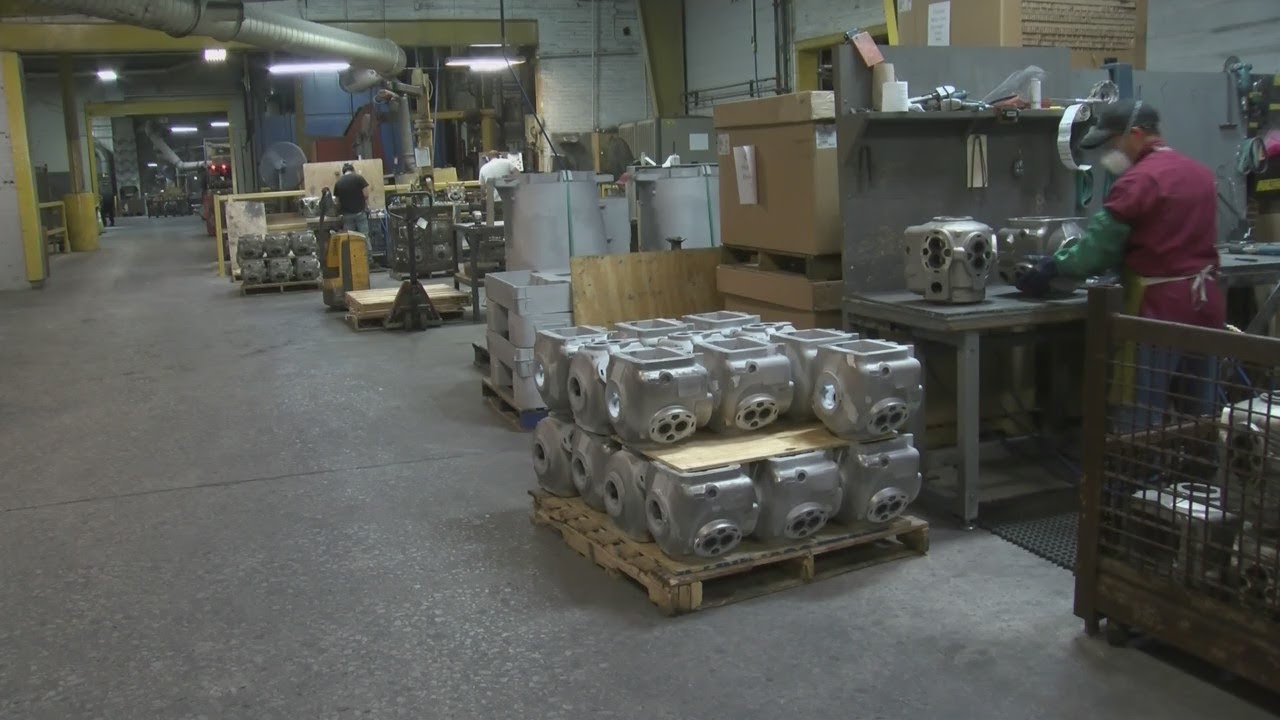
Each technique, from sand casting to financial investment spreading, offers special benefits and applications. The key processes include gravity casting, where metal moves into a mold under its weight, and pressure spreading, where liquified steel is compelled right into a mold dental caries. Various casting approaches exist, sand casting remains the most prevalent technique in the market due to its flexibility and cost-effectiveness. Investment casting is an extremely exact steel casting method that uses extraordinary information in the last product. Among the myriad steel casting techniques, lost wax casting stands out for its special imaginative expression and rich historical origins.